
Beginner’s Guide to Trekking in Nepal
Beginner’s Guide to Trekking in NepalNepal, the land of towering peaks, deep valleys, and rich cultural heritage, is a dream destination for trekkers...

Nepal, the land of towering peaks, deep valleys, and rich cultural heritage, is a dream destination for trekkers from around the world. From the iconic trails of the Everest Base Camp to the serene paths of the Annapurna Circuit, trekking in Nepal offers experiences that combine adventure, nature, and culture. If you’re a beginner looking to explore the Himalayas, this guide will help you prepare for an unforgettable journey.
Why Trek in Nepal?
Nepal is home to eight of the world’s fourteen 8,000-meter peaks, including Mount Everest, which attracts trekkers seeking adventure and breathtaking scenery. The trails are not just about mountains—they pass through ancient villages, Buddhist monasteries, lush forests, alpine meadows, and vibrant markets. Trekking in Nepal is a unique combination of physical challenge and cultural immersion.
Beginners will find Nepal’s trekking trails accessible with proper preparation. Many routes are well-marked, have teahouses along the way, and are supported by experienced guides and porters. With the right planning, even a first-time trekker can safely enjoy these magnificent trails.
Choosing the Right Trek for Beginners
For beginners, it’s essential to choose a trek that matches your fitness level, available time, and interest. Here are some of the best options for newcomers:
Everest Base Camp Trek (Moderate)
One of the most iconic treks in the world, EBC allows trekkers to see Mount Everest, glaciers, and Sherpa villages. While it reaches high altitude, proper acclimatization makes it achievable for beginners with moderate fitness.
Annapurna Base Camp Trek (Easy to Moderate)
Known for its diverse landscapes and warm teahouse hospitality, this trek passes through rhododendron forests, terraced fields, and traditional Gurung villages.
Poon Hill Trek (Easy)
Perfect for beginners or those short on time, Poon Hill offers panoramic sunrise views over the Annapurna and Dhaulagiri ranges. The trek usually takes 4–5 days.
Langtang Valley Trek (Easy to Moderate)
Close to Kathmandu, Langtang is less crowded and offers beautiful valleys, glaciers, and Tamang culture.
When choosing a trek, consider not only altitude and distance but also time required, trekking season, and the type of experience you want—cultural immersion, scenic beauty, or high-altitude challenge.
Best Time to Trek in Nepal
Weather is one of the most important factors for a safe and enjoyable trekking experience. The two main trekking seasons in Nepal are:
Autumn (September to November): Clear skies, moderate temperatures, and vibrant festival season make this the most popular trekking time. Perfect for beginners seeking good visibility and stable weather.
Spring (March to May): The rhododendrons bloom, adding spectacular colors to the trails. Weather is warmer, making high-altitude treks more comfortable.
Monsoon (June to August): Heavy rainfall causes slippery trails and leeches, so it’s generally not recommended for beginners.
Winter (December to February): Cold temperatures and snow at higher altitudes make winter treks challenging, though lower trails like Poon Hill remain accessible.
Fitness and Preparation
Trekking in Nepal does not require professional mountaineering skills, but a basic level of fitness is necessary. Here’s how beginners can prepare:
Cardio Training: Walking, jogging, cycling, or swimming at least 3–4 times a week will help improve stamina.
Strength Training: Focus on leg muscles, core, and back muscles to handle long treks and carrying a backpack.
Hiking Practice: If possible, do practice hikes with a backpack to simulate trekking conditions.
Acclimatization: High-altitude treks require gradual ascent. Follow your guide’s instructions to avoid altitude sickness.
Mental Preparation: Trekking involves long hours of walking, changing weather, and simple living. A positive attitude is as important as physical fitness.
Essential Gear for Beginners
Proper gear ensures safety, comfort, and enjoyment during your trek. Key items include:
Sturdy trekking boots with good ankle support
Comfortable trekking clothes in layers (base, insulating, and outer layer)
Down jacket for cold mornings and nights
Warm hat, gloves, and scarf
Trekking poles for stability
Backpack (20–30 liters for day essentials)
Sleeping bag (if staying in remote teahouses)
Sunglasses, sunscreen, and lip balm
Refillable water bottles and purification tablets
First aid kit including altitude sickness medicine
Most teahouses provide meals, bedding, and basic amenities, but carrying a few essentials ensures comfort and convenience.
Trekking Etiquette in Nepal
Nepalese culture and mountain communities are warm and welcoming. Respecting local traditions ensures a positive experience:
Greet locals with a smile and “Namaste.”
Ask before taking photographs of people or religious sites.
Keep trails clean—avoid littering.
Remove shoes before entering monasteries or homes.
Be polite and patient in teahouses; many are family-run.
Learning a few Nepali phrases like “Dhanyabad” (thank you) goes a long way in building rapport.
Safety Tips for Beginners
While trekking in Nepal is generally safe, it’s important to stay cautious:
Always follow your guide’s instructions, especially at high altitude.
Stay hydrated and eat regularly to maintain energy.
Ascend slowly to allow your body to acclimatize.
Avoid alcohol at high altitudes.
Carry a travel insurance policy covering trekking above 4,000–5,000 meters and emergency evacuation.
Check weather forecasts and be prepared for sudden changes.
Cultural Highlights Along the Trek
Trekking in Nepal is not only about mountains but also culture:
Visit Tengboche Monastery in the Everest region to experience Sherpa spirituality.
Explore traditional Gurung villages on Annapurna treks and learn about their music, dance, and crafts.
Enjoy local cuisine such as dal bhat, momo, and butter tea along the trail.
Engaging with locals adds a memorable human dimension to your trekking adventure.
Health and Altitude Considerations
Altitude sickness is a risk when trekking above 3,000 meters. Symptoms include headache, nausea, dizziness, and shortness of breath. To minimize risk:
Climb gradually and schedule rest/acclimatization days.
Drink plenty of water and eat light meals.
Inform your guide immediately if symptoms worsen.
Medications like Diamox can help but should be used under guidance.
Remember: listening to your body is more important than reaching the summit quickly.
Booking and Guides
For beginners, trekking with a professional guide and organized company ensures safety and convenience. A guide:
Plans your route and itinerary
Manages accommodation and meals
Provides cultural insights
Monitors health and acclimatization
Companies like Glacier Nepal Treks employ experienced guides and local support staff who know the trails, culture, and emergency procedures. Hiring a guide also enhances the overall experience and minimizes stress for first-time trekkers.
Final Thoughts
Trekking in Nepal is an unforgettable adventure that blends physical challenge, natural beauty, and cultural immersion. For beginners, the key to a successful trek is preparation, patience, and an open mind. With the right trekking route, proper gear, and guidance, even first-time trekkers can enjoy the magic of the Himalayas safely and comfortably.
Nepal’s trails are waiting for you—whether it’s the awe-inspiring peaks of the Everest region, the colorful villages of Annapurna, or the tranquil valleys of Langtang, there’s a trek suited for every beginner. So lace up your boots, pack your backpack, and get ready to explore one of the most breathtaking landscapes on Earth.
Beginner’s Guide to Trekking in NepalNepal, the land of towering peaks, deep valleys, and rich cultural heritage, is a dream destination for trekkers...
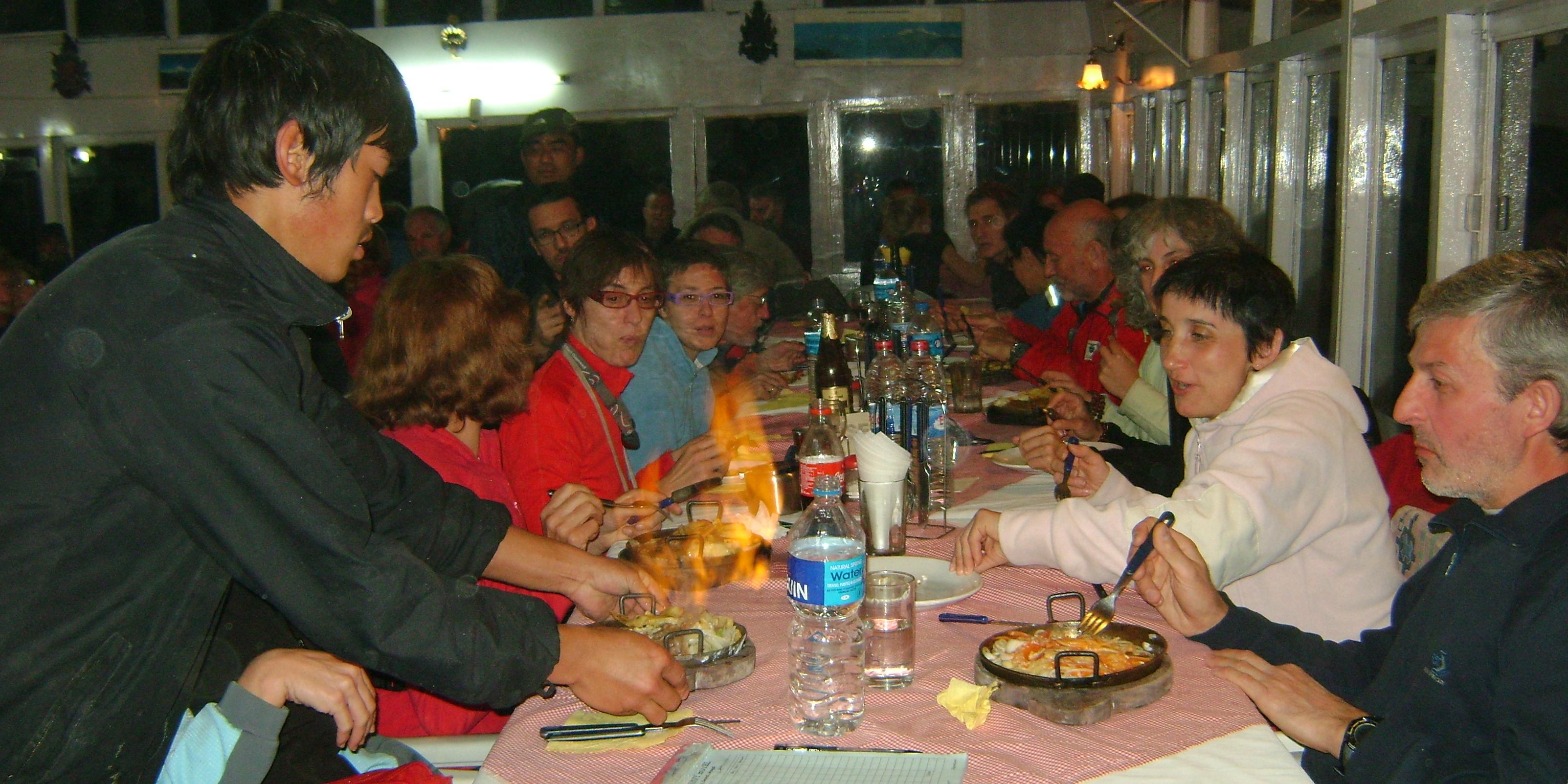
One of the first things Nepalese people ask each other when they meet is, “Khana khanu bhayo?”(Have you eaten yet?). This tells you the significance o...